
Dry shampoo: freshening roots between washes without noticeable residue
Tuesday 20th October 2026
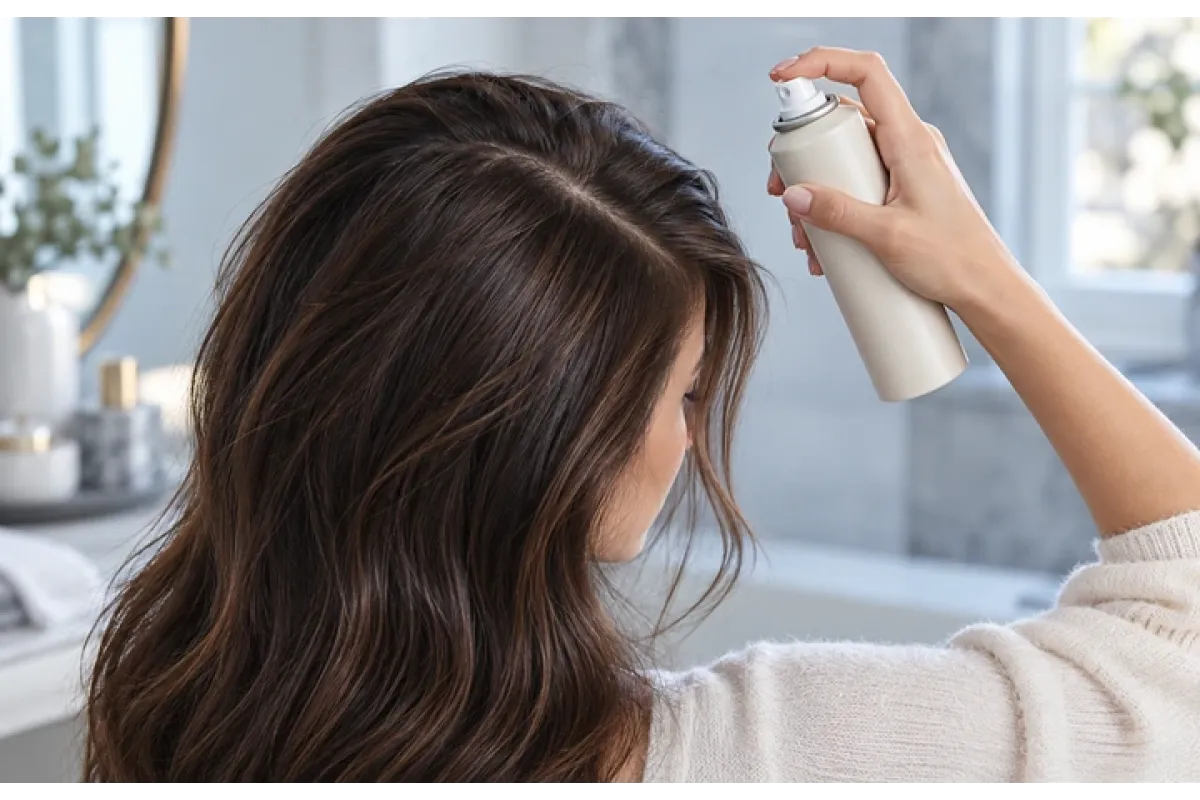
Sometimes the lengths still sit beautifully while the parting could look fresher. Before a meeting or on a busy morning, dry shampoo can be a useful addition to your usual styling routine. A result you enjoy depends on choosing a manageable format, controlling the amount and allowing time for the finishing step. Quickly spraying more product does not necessarily create a neater appearance.
Begin with a simple question: what do you want to change today? The appearance of the roots, the feel around the parting or the shape of the style? Your answer helps you judge a product by its purpose. This guide compares aerosol and powder formats, sets out a short sequence and looks at two ORIBE products in the Wellness Expert catalogue. Picture your normal styling method and the time you have available.
1. Decide on the task before applying
The roots look less fresh
Identify where the appearance has changed: along the central parting, at the crown or around the face. You do not have to treat the whole head equally. For a first trial, choose one small area, keep track of the amount and check the result before adding more. This tells you how the product behaves on your hair, beyond its scent and the way the dispenser works.
You want more lift at the roots
Freshness and hold are different tasks. If you want volume with a particular shape, check whether that is part of the product's stated purpose. Dry shampoo and texturising spray may have different roles even within one brand. Avoid introducing several new products at once: otherwise it becomes difficult to tell which changed the feel or made styling easier.
The lengths already look the way you want
If the lengths are smooth, wavy or arranged in a shape you like, consider the finishing movements beforehand. Brushing the whole head may change the hairstyle. Read whether the selected product allows finger distribution and how excess should be removed. Compare it with your actual routine: are you happy to rework the style, or do you want a small adjustment at the roots?
2. Aerosol or powder: compare the method
Convenience depends on more than bottle size. The dispenser, application area and ease of following the complete directions all matter. The table helps you compare these details. It does not establish that one format will always be better on dark hair or suitable for every scalp.
| What to check | Aerosol format | Powder format |
|---|---|---|
| Measuring an amount | Understand the nozzle and recommended distance | See how the dispenser releases a small quantity |
| Reaching the roots | Separate the area to be sprayed | Check application along partings |
| Finishing application | Check directions for fingers or a brush | Check the pause and removal of excess |
| Using away from home | Assess nozzle protection and storage conditions | Assess closure and tidy dispensing |
For travel, check the carrier's rules and the particular packaging separately. A small bottle and the word travel do not themselves establish permission to carry it. For an everyday bag, ask a practical question: can you use the product neatly and close it securely afterwards?
3. Two examples from the Wellness Expert catalogue
ORIBE Gold Lust Dry Shampoo illustrates the aerosol format. The shop directions specify shaking, spraying from 20–25 cm and distributing with fingers or a brush. ORIBE's directions also call for shaking and distance during application. Compare this method with your usual style, and follow the label on the bottle you receive.
ORIBE Serene Scalp Oil Control Dry Shampoo Powder is a powder option. The shop describes application along partings, a 1–2 minute pause, distribution and brushing away excess. The pause also appears in the manufacturer's guidance. Consider the dispenser and finishing time before choosing. This interval belongs to this product; it should not be applied automatically to every dry shampoo.
These examples help compare actions without choosing a universal winner. Check the exact name, format, ingredients and current directions before ordering. A range name does not tell you how you will experience the fragrance or whether you will enjoy its dispenser. If possible, try the product on an unhurried morning, with time to inspect the result from different angles.
4. A simple sequence without rushing
- Read the packaging. Check how to prepare the product and the required state of the hair. For the dry formats discussed here, begin with dry hair.
- Choose an area. Separate the hair so you can see the intended roots. Have a brush or the finishing method specified in the directions ready.
- Dispense a little. Follow the aerosol distance or powder dispensing method. Observe packaging warnings, avoid the eyes and avoid inhaling the spray.
- Finish and assess. Allow the stated pause, distribute and remove excess as directed. Only then decide whether another small amount is needed.
Do not try to establish one universal pressing time for every nozzle. It is more useful to observe the selected bottle and remember a successful sequence. Start with one area, then repeat it nearby if needed. For a new product, this trial is more informative than a generous first application a minute before leaving.
5. Why residue can become noticeable
- A concentrated amount. Product landing in one spot is harder to distribute. Check the quantity and the distance in the directions.
- Adding before finishing. Complete the pause and distribution first. The appearance immediately after application is not necessarily the finished result.
- Checking in unsuitable light. Look at the parting in ordinary daylight as well as the bathroom. Remember the crown and the area behind the parting.
On dark hair, it is particularly useful to assess visible residue in advance. If considering tinted options, check their purpose and colour match. A description promising transparency does not replace your own assessment. If there is excess, begin with the product's stated removal method; adding another layer is not the first adjustment to make.
6. Keep ordinary washing in the routine
The American Academy of Dermatology explains: dry shampoo absorbs oil; shampoo and water cleanse. Stop if irritated; seek dermatological advice for persistent symptoms.
Consider this place in the routine before buying. A dry format serves a particular purpose between ordinary washes. Think about when you will return to your usual wash and how the additional product fits your day. A successful purchase is about more than how far you can postpone the next shower. Appearance and comfort of use matter too.
7. Coordinate it with the rest of your care
The roots and lengths may call for different actions. A product for refreshing the parting does not automatically determine your choice of conditioner for the ends. Our guide to oily roots and dry ends helps separate these tasks. On your regular wash day, return to a clear cleansing and length-care sequence.
If a fuller style is your main aim, assess the complete selection of products. Compare what you already apply at the roots with what you leave on the lengths. Our guide to caring for fine hair explores this approach to shampoo, conditioner and styling. Choosing an additional dry product becomes easier when its role does not duplicate other purchases.
8. A checklist before buying
- Task: do you want fresher roots or a particular shape?
- Format: can you comfortably control an aerosol or powder?
- Result: have you checked residue, fragrance and feel?
- Routine: is there time for the finishing steps and ordinary washing?
Choose a dry shampoo together with its method of use. A small amount, clear directions and a check of the completed style help you find a useful place for it in your hair care.
Mila Serani, Skincare & Beauty Editor at Wellness Expert