
BB cream: choosing your shade, texture and light coverage
Saturday 31st October 2026
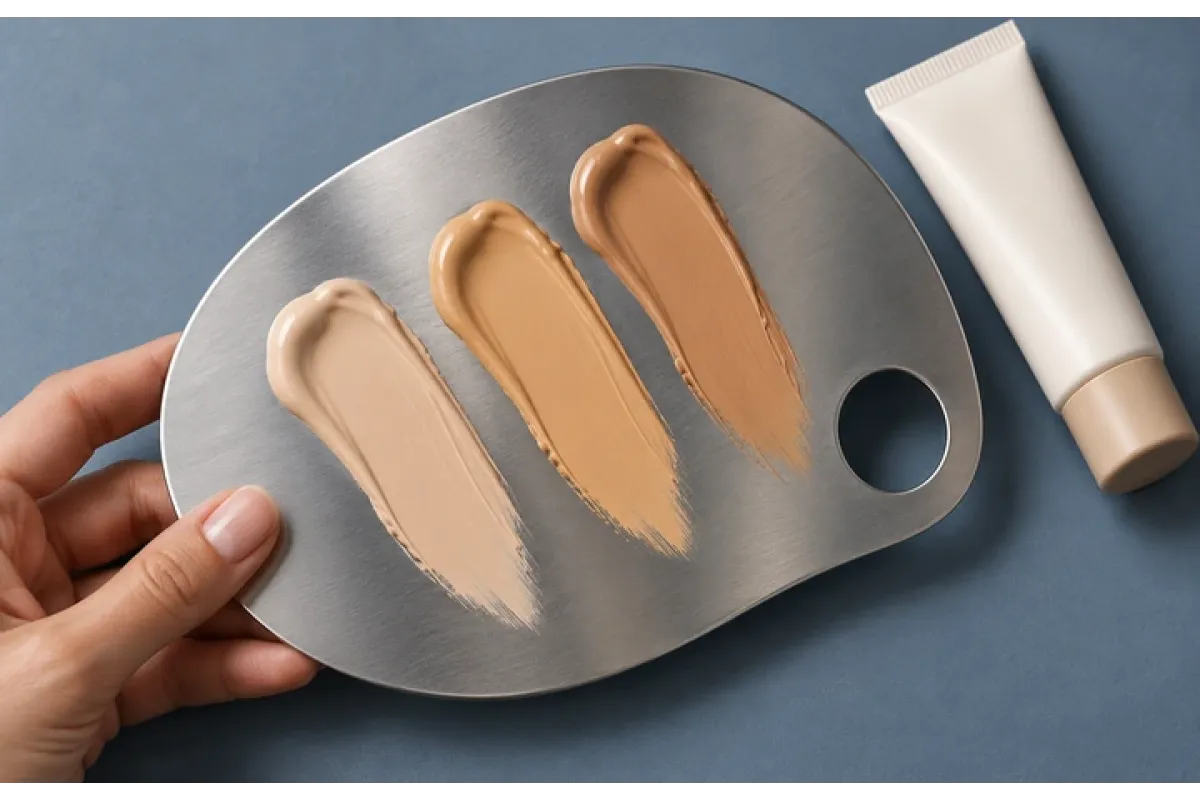
You want to even your complexion before work or a walk while keeping your own skin visible. A full foundation feels unnecessary, yet skincare alone does not create the finish you want. BB cream may be a convenient option. Two similar tubes can, however, produce different colours, levels of shine and skin feel. Start with those differences rather than an “all-in-one” promise.
A useful BB cream matches your skin, provides the coverage you want and stays comfortable during the day. Those three criteria matter more than the number of functions listed on the packaging. Here is how to assess each one without buying extra products to correct an unsuitable choice.
What to expect from a BB cream
BB cream combines tint with a skincare formula, but coverage and finish need to be assessed product by product. The category name alone does not promise sheer colour, a matte result or a suitable shade. “Light” may describe the sensation during application rather than how visible the colour will be.
Gently evening the overall complexion while keeping freckles visible is one aim. Concealing a particular mark or more noticeable redness is a different level of correction. For the latter, consider BB cream with a little targeted concealer rather than building the same thickness across the entire face.
Choose a reference point before shopping: natural-looking colour, a more velvety finish or a touch of luminosity. You do not need a product that does everything at once. A good everyday result can stay translucent and leave the skin’s normal texture visible, without needing to look like a carefully edited photograph.
Four steps for checking the shade
- Compare the colour beside your face. If you have a sample, apply a little along the lower cheek towards the jaw. Check the transition to your neck; the colour on the back of your hand may differ.
- Look in daylight. A warm bathroom lamp and a phone screen can change the impression. Compare shades under the same conditions, without coloured filters or a strong patch of direct sunlight.
- Check more than depth. A colour that is too pink, yellow or grey can remain noticeable even when its lightness seems right. Consider the harmony between face and neck rather than relying on a name such as “natural”.
- Judge a blended layer. Let the product settle as directed, then look again. The useful comparison is a spread-out layer on your skin, rather than a thick drop straight from the tube.
Online swatches help narrow the choice but cannot replace trying a sample. Several photographs of the same shade on different skin tones are more useful than one flawless campaign image. If the range does not include a suitable colour, there is no need to buy the closest one and plan to correct it with powder and bronzer every morning.
Comparing texture and finish
| Your aim | What to check in the description | What to assess on skin |
|---|---|---|
| Barely visible coverage | Sheerness and gentle tone evening | Whether colour changes at the edges of the face |
| A quieter shine | A velvety or matte finish | Cheek comfort and the appearance of the T-zone |
| Soft luminosity | A radiant or satin result | Whether you enjoy the reflection in everyday surroundings |
| A little more correction | Stated coverage and suitability for layering | Whether product gathers around the nose and mouth |
Do not automatically equate radiance with greasiness or a velvety finish with dryness. The formula and your own experience matter. Notice whether you want to touch your face, remove excess or immediately powder every area. If comfort requires constant correction, reconsider the texture before adding another finishing product.
Compare candidates over the same familiar skincare. A new moisturiser underneath a new BB formula makes it harder to tell which change worked. An ordinary, unhurried day is better for a first trial than the morning of an important event, when you have little room to adjust the result.
Applying an even, light layer
Finish the skincare you need and allow previous layers to settle rather than continue moving across the surface. There is no universal waiting time in minutes: follow the directions and assess the surface. In this routine, BB cream is used as makeup over separately chosen sun protection.
Begin with a small amount for colour coverage. Spread it with clean fingers or a suitable tool, gradually blending the edges. Check beside the nostrils, along the hairline and around the eyebrows for excess. Areas where the tone already looks even may not need another layer simply because the rest of the face has one.
If you want to conceal one detail, pause and assess the whole face. A touch of concealer may avoid thickening every area. Add powder locally if you need it, rather than automatically covering the entire finish. The aim is to retain the result you selected, instead of hiding it under the next product.
If products pill, simplify the trial routine and reduce optional layers first. Review the amount and application technique. One ingredient list cannot reliably predict how all your products will behave together. Testing your actual combination is more useful than following an absolute rule about pairing only water-based products with one another.
Two examples at Wellness Expert
Collistar Idroattiva+ BB Cream Tinted Moisturizer SPF30, 50 ml is a tinted moisturiser. Collistar recommends blending from the centre of the face outwards.
Matis Réponse Cosmake-Up Hyalu-BB, 50 ml is another option to compare. Matis describes a velvety finish and lists SPF15.
Compare the available colours and current packaging for the version you choose. These examples show that one category can contain different formulas. They are not personalised recommendations or promises of identical results on every skin. Hydration-hour claims and lists of attractive ingredients do not replace a colour check.
Understanding SPF in this makeup
Johns Hopkins Medicine notes that typical makeup amounts do not deliver the labelled SPF. Assess cosmetic coverage separately from your sun-protection routine.
The AAD recommends broad-spectrum SPF30+ and reapplication outdoors. Follow your sunscreen’s directions. Rather than mixing BB cream into it to change the colour, keep the applications separate.
Common questions
Do I need moisturiser underneath?
Decide from the instructions and your usual skin comfort. An extra moisturising layer may be useful, but it does not need to appear automatically just to create more steps. Try the combination at home before making it your regular morning arrangement.
Should BB cream adapt to every skin tone?
Do not rely on that when buying. Even a translucent product has its own colour. If a boundary remains after blending, the shade may be unsuitable, rather than the problem being that you have not worked it into the skin for long enough.
How does it differ from CC cream or foundation?
For shopping, comparing particular descriptions, colours and swatches is more useful than arranging the names in a rigid hierarchy. Start with your desired coverage and finish, then find a product that produces them in a colour that suits you.
Before you place the order
- Choose one main result: gentle tone evening, a particular finish or more visible correction.
- Confirm the shade: check its name and number, rather than judging by the tube’s colour in a photograph.
- Check your skincare combination: ideally with a sample and without introducing several other new products at once.
- Consider practical use: size, dispensing and whether you can finish the product within its period after opening.
If coverage looks uneven before you even assess the colour, our article on preparing skin for makeup can help. For a separate sun-protection choice, read our daily facial SPF guide. Choose the BB cream for the way it looks and feels in your everyday life.
Mila Serani, Skincare & Beauty Editor at Wellness Expert